Review Contents
01 Adaptive Clearing and Cloud CAM Calculations
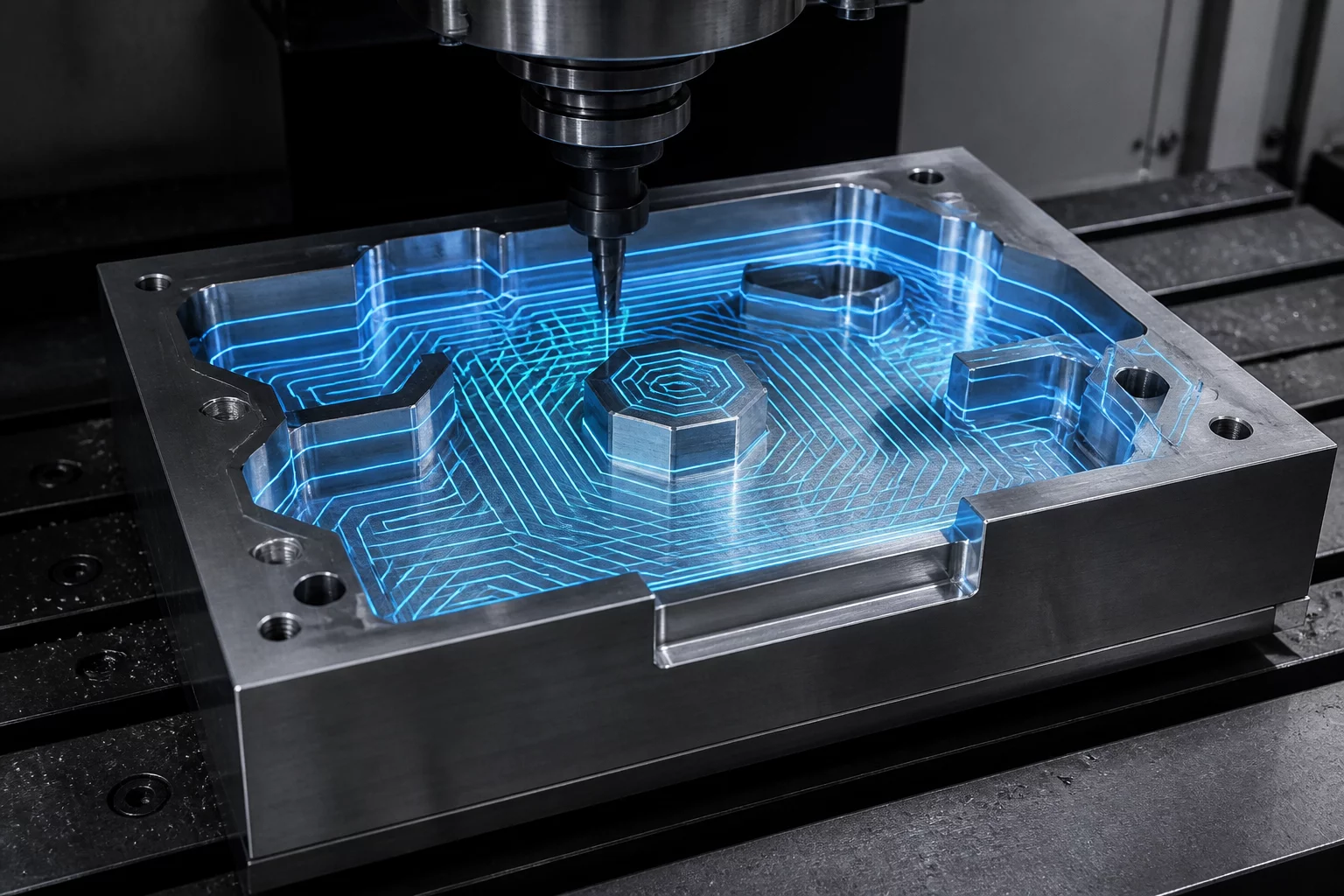
The deployment of Onshape Version 1.209 delivers substantial upgrades to machining workflows directly inside cloud workspaces. In this build, high-speed adaptive clearing calculations receive major multithreading enhancements on server clusters, reducing calculation wait times for complex prismatic pockets and deeply contoured molds.
Machining specialists gain dynamic stepover controls and continuous chip-load optimization parameters. These additions maintain constant tool engagement angles throughout complex corner passes, preventing tool chatter and extending spindle life across aluminum and titanium machining operations.
Toolpath Parallel Processing Note
Version 1.209 executes roughing toolpaths asynchronously across cloud server instances. Design teams can continue editing upstream Part Studio geometry without waiting for local CAM background processes to complete.
02 Downstream Drawing and Model Documentation Linking
Parametric associativity remains the bedrock of production confidence. In Version 1.209, changes to upstream solid geometry trigger instant visual callout indicators across attached manufacturing drawings, eliminating ambiguous annotations and silent dimension failures.
- Persistent Hole Callout Mapping: Re-dimensioned tapped holes retain custom leader notes and thread depth tolerances without breaking reference geometry.
- Automatic Cut-List Refresh: Weldment and sheet metal cut lists update immediately upon modifying structural profile lengths in associated Part Studios.
- Visual Revision Diff Overlays: Engineers can toggle side-by-side graphical overlays of revision states directly within the drawing canvas.
These associative behaviors ensure that when engineering teams adjust mounting interfaces or hole centers, manufacturing stakeholders receive precise update cues without manual drawing rebuilds.
03 Collaboration Integrity in Distributed Workspaces
Managing change across large engineering teams requires bulletproof version trees. Onshape 1.209 refines branch merging by providing granular conflict identification for mating conditions in top-level assemblies. When two engineers concurrently adjust fastener patterns, the merge dialog cleanly identifies overlapping kinematic constraints.
By maintaining clear history states and isolated exploratory branches, design groups avoid accidental overrides. The resulting ecosystem preserves strict traceability from early concept models through to shop-floor documentation packages.
Elena Marchetti
Lead Manufacturing EngineerThe adaptive clearing updates in version 1.209 noticeably reduced our pocket roughing cycle times on 5-axis mold tooling. Downstream drawing dimension persistence has also eliminated detached callouts when revising mounting flange thicknesses.